Cooking Techniques
Master the foundational methods that separate competent cooks from recipe-followers. Heat control, knife work, sauce building, and grain cookery — with the science behind each.
Why technique matters more than recipes
A recipe is a snapshot. A technique is a transferable skill. Someone who memorizes 200 recipes can cook 200 dishes. Someone who masters 10 techniques can improvise thousands.
Every cooking technique is a controlled application of heat, time, and medium. The variables: temperature (how much energy), duration (how long), medium (air, water, fat, or direct contact), and surface area (cut size determines cooking speed).
The four heat transfer methods
| Method | Medium | Temp range | Best for |
|---|---|---|---|
| Conduction | Direct contact (pan surface) | 150–300°C | Searing, sautéing, griddle cooking |
| Convection | Moving air or liquid | 100–250°C | Roasting, baking, boiling, deep-frying |
| Radiation | Infrared (no medium) | 260–540°C | Broiling, grilling, toasting |
| Induction | Electromagnetic (heats pan directly) | Variable | Any pan-based method, precise control |
Most cooking uses multiple methods simultaneously. Roasting a chicken: convection (hot air) + radiation (oven walls) + conduction (roasting pan base).
The Maillard reaction — why browning = flavor
At 140–165°C, amino acids react with reducing sugars to produce hundreds of flavor compounds. This is the Maillard reaction — it’s why seared steak tastes different from boiled steak, even at the same internal temperature.
Requirements for Maillard browning:
- Surface must be dry — water caps surface temp at 100°C (evaporation), blocking Maillard. Pat proteins dry before searing.
- High heat — below 140°C, the reaction is too slow to matter. Pan must be hot before food enters.
- Don’t crowd the pan — too much food drops pan temperature and releases moisture. Cook in batches.
- pH matters — slightly alkaline surfaces brown faster. A pinch of baking soda on proteins accelerates browning (Chinese velveting technique).
Knife skills as efficiency
Cut size controls cooking time. Uniformity controls even cooking. The two rules:
- Smaller pieces cook faster — more surface area per unit volume means faster heat transfer.
- Same-size pieces cook at the same rate — irregular cuts mean some pieces burn while others are raw.
| Cut | Size | Use |
|---|---|---|
| Brunoise | 3mm cube | Garnish, soffrito |
| Small dice | 6mm cube | Soups, salsas |
| Medium dice | 12mm cube | Stews, roasted vegetables |
| Large dice | 20mm cube | Chunky soups, pot roasts |
| Julienne | 3mm × 3mm × 50mm | Stir-fry, salads, garnish |
| Chiffonade | Fine ribbon | Herbs, leafy greens |
Sauce fundamentals
Every classical sauce follows the same architecture: liquid + thickener + flavor.
| Thickener | Mechanism | Ratio (per 500ml liquid) | Result |
|---|---|---|---|
| Roux (flour + fat) | Starch gelatinization | 30g each | Béchamel, velouté |
| Cornstarch slurry | Starch gelatinization | 15g in 30ml cold water | Clear, glossy |
| Reduction | Evaporation concentrates gelatin | Reduce by 50–75% | Pan sauce, jus |
| Emulsification | Fat suspended in liquid | Butter whisked into acid | Beurre blanc, vinaigrette |
| Egg yolk | Protein coagulation + emulsion | 2–3 yolks | Hollandaise, custard |
The pan sauce is the most practical: deglaze fond (caramelized proteins stuck to pan) with wine or stock, reduce, finish with cold butter for body and shine. Three minutes. No recipe needed — just the technique.
What separates home cooks from professionals
Professionals control heat instinctively. They know:
- When to use high heat (searing, stir-fry) vs. low heat (braising, confiting)
- When to move food (rarely — let Maillard happen) vs. when to stir (risotto, scrambled eggs)
- When food is done by sound (sizzle pitch drops = moisture released), sight (color change), touch (finger test for meat), and smell (nutty = browning, acrid = burning)
None of this requires a recipe. It requires understanding what heat does to food — and that understanding transfers to every dish you’ll ever cook.
Related across the network
Articles in this guide
Acid in Cooking — Vinegar, Citrus, Wine, and How to Balance Flavor
pH levels of common cooking acids, when to add acid early vs. late, how acid reacts with heat and proteins, and the science of brightness vs. sharpness in flavor.
Braising Science — Collagen-to-Gelatin Conversion, Low-and-Slow Mechanics
Complete braising reference with collagen conversion rates by temperature, braising cut selection data, liquid ratios, vessel comparison, and altitude adjustments for consistent results.
Caramelization vs. Maillard — Two Different Browning Reactions Explained
The science behind the two browning reactions in cooking: caramelization (sugar-only) and Maillard (sugar + amino acid). Temperature thresholds, sugar stages, pH effects, diagnostic tables, and practical control techniques.
Emulsification in Cooking — The Science of Why Vinaigrettes Break and How to Fix Any Emulsion
Complete emulsification science: HLB values of kitchen emulsifiers, oil-to-acid ratios by dressing type, temperature stability ranges, droplet size data, and the universal rescue technique that works for hollandaise, mayo, vinaigrettes, and beurre blanc.
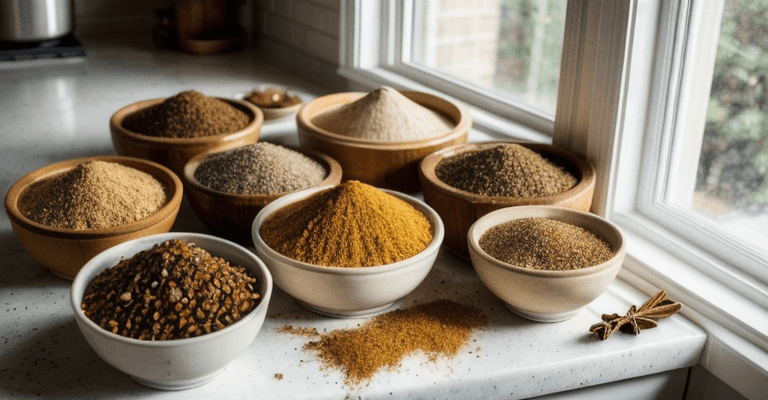
Mise en Place — Why Prep Order Matters More Than the Recipe
Professional kitchen workflow adapted for home cooking. Timing cascades, station setup, and the heat-first-cut-second principle that separates chaotic cooking from controlled cooking.
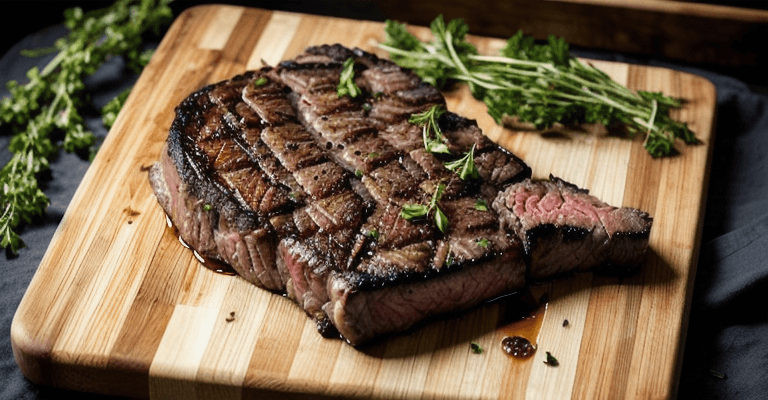
Resting Meat — Why, How Long, and What Actually Happens Inside (The Thermal Science)
Carryover cooking temperatures by cut and method, juice redistribution data from food science research, resting time per thickness, and the thermal equilibrium physics that make the last 10 minutes the most important.
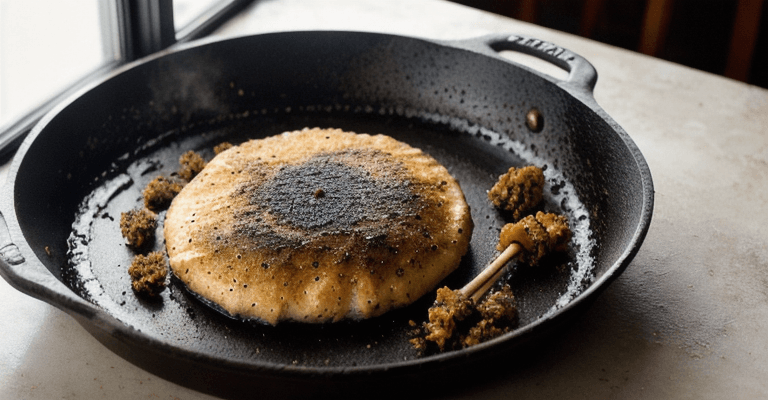
Smoke Points of Cooking Oils — Which Oil for Which Heat
Complete smoke point reference for 20+ cooking oils. Refined vs. unrefined differences, health implications of overheated oil, and the best oil for every cooking method.
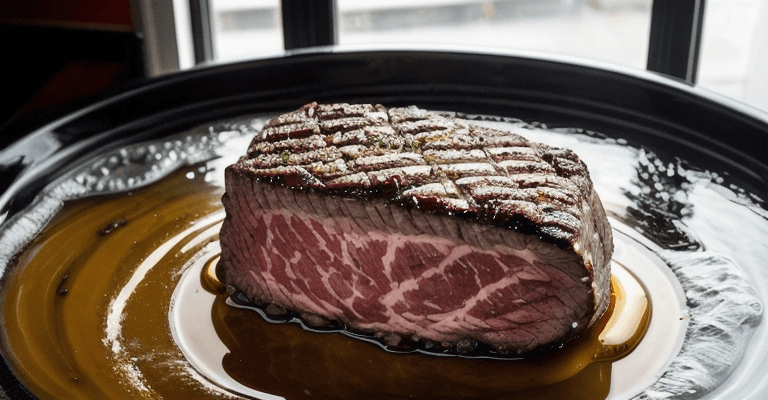
Sous Vide Temperature Guide — Pasteurization, Protein Denaturation, and Safety Tables
Comprehensive sous vide reference covering pasteurization time-temperature data, protein denaturation thresholds, doneness tables for beef, pork, poultry, fish, eggs, and vegetables with exact temperatures.
Stir-Fry Technique and Wok Hei — Thermal Mass, Leidenfrost, and High-Heat Chemistry
Wok hei science with thermal conductivity data, oil smoke points, BTU requirements, batch size limits, and a precise timing chart for stir-fry mise en place.
Cooking Temperatures Reference — Meat Doneness, Oil Smoke Points, and Sugar Stages
The only temperature chart you need. Internal temps for every protein, smoke points for every oil, and candy stages for every sugar recipe.
Knife Skills Reference — Cuts, Sizes, and Techniques
Every standard cut with exact dimensions, the three grip techniques, and a speed progression chart. The reference table professional kitchens use.

Pan Sauce Fundamentals — Fond, Deglazing, and the 3-Minute Sauce
Every restaurant-quality sauce starts the same way: sear protein, deglaze fond, reduce, finish with fat. The complete technique with ratio table.
Rice Cooking Ratios — Every Grain Type, Every Method
Water ratios for 15 grain types, absorption vs. pasta method, and why rinsing matters. The reference table that replaces recipe-searching.