Leavening Agents — Baking Soda vs. Baking Powder, and the Science of Rise
How chemical leaveners actually work, the acid requirements for baking soda, double-acting powder mechanics, substitution ratios, altitude adjustments, and freshness tests.
Why Does Baking Powder Work in Some Recipes Where Baking Soda Fails — and Vice Versa?
What determines whether a recipe needs baking soda, baking powder, yeast, or a combination? The choice depends on acid content, timing requirements, flavor impact, and rise structure. This guide provides the leavening agent comparison, activation chemistry, and substitution ratios that let you choose the right agent for each application.
The core chemistry — CO2 is the goal
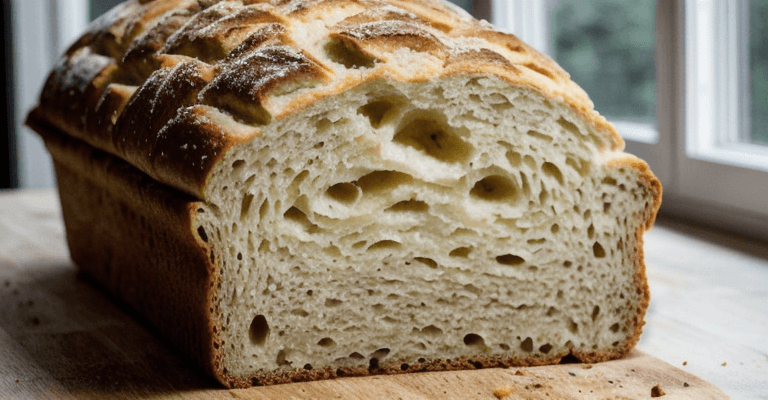
All chemical leavening works on one principle: an acid reacts with a base to produce carbon dioxide gas. The gas gets trapped in the batter or dough matrix (gluten, egg proteins, or starch), and those trapped bubbles expand in oven heat, setting into the permanent open crumb structure you see in finished baked goods.
Baking soda (sodium bicarbonate, NaHCO3) is a pure base. It does absolutely nothing on its own. It requires an acid already present in your recipe to produce CO2. The reaction is immediate and single-phase — it starts the moment liquid combines the acid and base.
Baking powder is a pre-mixed system: baking soda + a dry acid + a buffer (usually cornstarch to absorb moisture and prevent premature reaction in the container). It is self-contained — add liquid and it works without needing acid from other ingredients.
Baking soda — requirements, ratios, and common acids
The stoichiometric ratio: 1 teaspoon (4.6g) of baking soda requires roughly 1 teaspoon (5ml) of acid to fully neutralize. If your recipe has too little acid, excess unreacted soda leaves a soapy, metallic taste and a yellow tinge in the crumb.
| Acid Source in Recipe | Amount Needed per 1/2 tsp Baking Soda | Notes |
|---|---|---|
| Buttermilk | 120ml / 1/2 cup | Most common pairing in American baking |
| Yogurt | 120ml / 1/2 cup | Thicker; may need liquid adjustment |
| Lemon juice | 1 tablespoon | Strong acid; also contributes flavor |
| Vinegar (white/ACV) | 1 tablespoon | Use white for neutral flavor |
| Molasses | 80ml / 1/3 cup | Mildly acidic; common in gingerbread |
| Honey | Mildly acidic | Weak; often paired with powder too |
| Brown sugar | Mildly acidic (molasses content) | Not enough alone; supplemental |
| Cream of tartar | 1 teaspoon | Pure acid; this is literally what makes baking powder |
| Cocoa powder (natural) | 3 tablespoons | Dutch-processed is neutral — does NOT react with soda |
| Applesauce | 120ml / 1/2 cup | Moderately acidic |
Critical distinction: Dutch-processed cocoa has been alkalized (pH 7-8) and will not activate baking soda. Natural cocoa powder (pH 5-6) will. If a recipe calls for both cocoa and baking soda, it must be natural cocoa. Swapping to Dutch-processed without also switching to baking powder is why chocolate cakes sometimes fall flat.
Baking powder — single-acting vs. double-acting
Single-acting baking powder contains a fast acid (cream of tartar or monocalcium phosphate) that reacts entirely at room temperature when liquid is added. You must get the batter into the oven quickly. This type is rare in commercial products today.
Double-acting baking powder — which is what you almost certainly have — contains two acids:
- Fast acid (monocalcium phosphate): Reacts at room temperature when mixed with liquid. This creates the initial bubbles that give structure to the batter.
- Slow acid (sodium aluminum sulfate or sodium acid pyrophosphate): Reacts only when heated above 60°C / 140°F. This is the second rise that happens in the oven.
This two-phase system is why you can let double-acting batter rest for 15-20 minutes without catastrophic loss of rise. The first reaction is already done, and the second is waiting for heat.
Standard ratio: 1 teaspoon baking powder per 120g (1 cup) of all-purpose flour for a normal rise.
Substitution math
| If You Have | To Replace | Use This Amount |
|---|---|---|
| Baking powder | 1 tsp baking soda | Not possible — powder is weaker; soda needs recipe acid |
| Baking soda + cream of tartar | 1 tsp baking powder | 1/4 tsp baking soda + 1/2 tsp cream of tartar |
| Baking soda + buttermilk | 1 tsp baking powder | 1/4 tsp baking soda + 120ml buttermilk (reduce other liquid by 120ml) |
| Baking soda + lemon juice | 1 tsp baking powder | 1/4 tsp baking soda + 1/2 tsp lemon juice |
| Self-rising flour | All-purpose + leavener | 120g AP flour already contains 1.5 tsp baking powder + 1/4 tsp salt |
| Baking powder | 1 tsp baking soda | 3-4 tsp baking powder (only works if recipe acid is removed; results differ) |
The 4:1 rule: baking powder is roughly 1/4 the strength of baking soda per volume because it is mostly filler (cornstarch) and acid that doesn’t add extra leavening power. When substituting soda for powder, you need 3-4x the volume of powder, and you must have enough acid.
Altitude adjustments
Above 900m (3,000 ft), atmospheric pressure drops, which means gas bubbles expand more easily. Baked goods over-rise and then collapse because the structure sets before the protein matrix is strong enough.
| Altitude | Reduce Baking Powder/Soda By | Reduce Sugar By | Increase Liquid By | Increase Oven Temp By |
|---|---|---|---|---|
| 900m / 3,000 ft | 1/8 tsp per tsp | 1 tbsp per cup | 1-2 tbsp per cup | 8°C / 15°F |
| 1,500m / 5,000 ft | 1/4 tsp per tsp | 2 tbsp per cup | 2-3 tbsp per cup | 14°C / 25°F |
| 2,100m / 7,000 ft | 1/4 tsp per tsp | 2-3 tbsp per cup | 3-4 tbsp per cup | 14°C / 25°F |
| 3,000m / 10,000 ft | 1/3 tsp per tsp | 3 tbsp per cup | 3-4 tbsp per cup | 14°C / 25°F |
The sugar reduction matters because sugar weakens gluten structure (it competes for water). At altitude, you need stronger gluten to hold the bigger bubbles, so less sugar and more liquid both help.
Freshness tests — is your leavener still active?
Leaveners lose potency over time. Baking soda lasts indefinitely in a sealed container but degrades within 6 months once opened. Baking powder is more fragile — 6-12 months after opening.
Baking soda test: Drop 1/2 teaspoon into 2 tablespoons of vinegar. It should bubble vigorously and immediately. Weak fizz means reduced potency. No fizz means it is dead.
Baking powder test: Drop 1 teaspoon into 120ml of hot water (not boiling). It should bubble actively. Double-acting powder should produce a second visible burst of bubbles as the water heats the slow acid. If bubbling is weak, the powder has lost its fast acid, and your batters will under-rise.
If partially degraded: You can compensate by increasing the amount by 25-50%, but the results are unpredictable. Better to replace it. At roughly $2-3 per can, expired leavener is not worth the risk to a batch of baked goods that costs far more in ingredients and time.
Common failures and fixes
Cake has a bitter, soapy taste. Too much baking soda relative to acid in the recipe. Check that your acid source is present and in the right amount. Natural cocoa swapped for Dutch-processed is the most common hidden cause.
Muffins rise beautifully then collapse in the center. Over-leavened. Reduce baking powder by 1/4 teaspoon and test. At altitude, this problem intensifies.
Quick bread has tunnels and a peaked top. Over-mixing developed gluten while the fast-acting acid was still producing gas. Mix until just combined — visible streaks of flour are acceptable. The oven rise from the slow acid will finish the job.
Pancakes are flat despite fresh baking powder. The batter rested too long after mixing. Single-acting and fast-acid reactions are largely spent within 5-10 minutes. Either cook immediately after mixing or use a recipe designed for overnight rest (which relies on different chemistry, often yeast or separated eggs).
Leavening agent substitution matrix
When you are missing one leavener and need to improvise, the substitution is never a simple 1:1 swap. Each replacement changes the acid-base balance, liquid content, and reaction timing of the recipe. Use this matrix for emergency substitutions.
| If Recipe Calls For | Substitute | Ratio | Liquid Adjustment | Notes |
|---|---|---|---|---|
| 1 tsp baking powder | Baking soda + cream of tartar | ¼ tsp soda + ½ tsp cream of tartar | None | Closest match; single-acting only (no oven rise boost) |
| 1 tsp baking powder | Baking soda + yogurt | ¼ tsp soda + 60ml yogurt | Reduce other liquid by 60ml | Adds slight tang; works well in muffins and pancakes |
| 1 tsp baking powder | Baking soda + lemon juice | ¼ tsp soda + ½ tsp lemon juice | Reduce other liquid by ½ tsp | Faint citrus note; best in fruit-based batters |
| 1 tsp baking powder | Self-rising flour | Replace 120g AP flour with 120g self-rising | None | Self-rising already contains 1.5 tsp powder + ¼ tsp salt per cup |
| 1 tsp baking soda | Baking powder | 3–4 tsp baking powder | None | Only works if you also remove the recipe’s acid source; excess powder can taste metallic |
| 1 tsp baking powder | Whipped egg whites (2 whites) | Fold in gently at end | Reduce other liquid by 60ml | No chemical reaction; relies entirely on mechanical leavening |
| 1 tsp baking soda (in chocolate recipe) | Baking powder + Dutch-process cocoa swap | 3 tsp powder; switch natural cocoa to Dutch-process | None | Removes the acid-base pair entirely; relies on powder’s built-in acid |
| 1 tsp baking powder | Club soda / sparkling water | Replace 60ml of recipe liquid with 60ml club soda | Net zero (swap, don’t add) | Weak leavening; CO₂ escapes quickly; bake immediately |
Key warning: Substitutions that replace baking soda with baking powder increase total volume of leavener in the recipe by 3-4x. This can introduce a slightly bitter, chemical aftertaste if the powder contains sodium aluminum sulfate. Look for aluminum-free baking powder brands (Rumford, Bob’s Red Mill) when using large quantities.
The limits of chemical leavening
Chemical leaveners are reliable in controlled conditions, but several factors degrade their performance in ways that recipes rarely acknowledge.
Altitude changes CO₂ expansion physics. At sea level, atmospheric pressure holds gas bubbles in check. At 1,500m (5,000 ft), reduced pressure allows the same volume of CO₂ to expand 15–20% more. At 3,000m (10,000 ft), expansion increases by 30–40%. This is why high-altitude bakers must reduce leavener amounts — the same chemical reaction produces disproportionately more lift, causing cakes to rise too fast, stretch beyond their structural capacity, and collapse.
Baking powder has a shelf-life decay curve, not a cliff. It does not go from “works” to “dead” overnight. An opened can loses approximately 10–15% of its potency per month when stored in a humid kitchen. After 6 months, a can that originally provided full rise may only deliver 40–60% of its rated lift. Recipes fail gradually — slightly flatter muffins, slightly denser cake — making the cause difficult to diagnose without a freshness test.
Old baking soda fails silently. Unlike baking powder, which visibly under-performs (less rise), degraded baking soda leaves unreacted sodium bicarbonate in the batter. This excess base doesn’t just fail to leaven — it actively harms the result by creating a soapy, metallic off-taste and a yellow-green tinge in the crumb. Because the recipe still rises partially (from steam and egg proteins), the baker may not realize the soda is the problem. Test with vinegar before every baking session if the container has been open for more than 4 months.
Quick Reference Summary
| Agent | Needs acid? | Activation timing | Substitution ratio |
|---|---|---|---|
| Baking soda | Yes (buttermilk, lemon, cocoa) | Immediate on contact | 1 tsp soda = 3 tsp baking powder |
| Baking powder (double-acting) | No (contains own acid) | Partial on mixing + partial on heating | 3 tsp powder = 1 tsp soda + acid |
| Active dry yeast | No (needs sugar + time) | 10-15 min proof + 1-2 hr rise | Not interchangeable with chemical leaveners |
| Instant yeast | No (needs sugar + time) | No proofing needed; mix directly | 25% less than active dry |
Decision rule: Acid in the batter → baking soda. No acid → baking powder. Time for rise → yeast. Quick bread → chemical leavener.
How to apply this
Use the recipe-scaler tool to adjust portions to scale ingredient quantities based on the data above.
Start with the reference tables above to identify the correct parameters for your specific ingredient or technique.
Measure your key variables (temperature, weight, time) before beginning — precision prevents waste.
Check the comparison tables to select the best approach for your situation and equipment.
Adjust quantities using the recipe-scaler when scaling up or down from the tested ratios.
Test with a small batch first, using the exact measurements from the tables before committing to full volume.
Verify your results against the expected outcomes listed in the quick reference section.
Honest Limitations
Leavening chemistry is affected by altitude (gases expand more at lower pressure), ingredient temperature, and mixing technique — these variables are not fully captured in substitution ratios. Baking powder loses potency over time; expired powder produces flat baked goods regardless of correct measurement. The acid-base reaction in baking soda produces CO₂ and a salt residue (e.g., sodium acetate) that can affect flavor at high concentrations. Yeast leavening is biological and temperature-sensitive in ways that chemical leavening is not. Gluten-free batters behave differently with leaveners due to lack of gluten structure. This guide covers common home baking scenarios, not commercial or industrial leavening systems.
