Food Preservation Science
How fermentation, pickling, drying, and cold storage actually work — the microbiology and chemistry that keep food safe and flavorful. Reference tables for every method.
Why preservation is applied microbiology
Every preservation method works by controlling one or more of these microbial growth factors:
| Factor | Safe range | Method |
|---|---|---|
| Temperature | <4°C or >60°C | Refrigeration, freezing, pasteurization, canning |
| pH | <4.6 | Pickling (vinegar), fermentation (lactic acid) |
| Water activity (aw) | <0.85 | Drying, salting, sugar curing |
| Oxygen | Anaerobic environment | Vacuum sealing, oil submersion, fermentation |
| Competing organisms | Beneficial microbes dominate | Lacto-fermentation, mold cultures (cheese, miso) |
The danger zone (4–60°C) is where pathogenic bacteria double every 20 minutes. No preservation method that leaves food in this range for >2 hours is safe.
Fermentation — controlled microbial transformation
Fermentation isn’t spoilage. It’s selective cultivation of beneficial organisms that:
- Produce acid (lowering pH below pathogen survival)
- Produce alcohol (toxic to most bacteria)
- Produce CO₂ (displaces oxygen)
- Consume sugars (starving competitors)
| Fermentation type | Organism | Product | pH target | Timeline |
|---|---|---|---|---|
| Lacto-fermentation | Lactobacillus | Lactic acid | 3.5–4.0 | 3–14 days |
| Alcoholic | Saccharomyces cerevisiae | Ethanol + CO₂ | 3.0–4.0 | 7–30 days |
| Acetic acid | Acetobacter | Vinegar | 2.4–3.4 | 4–8 weeks |
| Mold | Aspergillus oryzae | Enzymes (koji) | 5.0–6.0 | 48–72 hours |
The critical safety threshold: pH 4.6. Below this, Clostridium botulinum cannot produce toxin. Every lacto-ferment must reach this pH to be safe at room temperature. Use pH strips — don’t guess.
Salt as a preservation tool
Salt preserves by reducing water activity. Bacteria need free water to metabolize. Salt binds water molecules, making them unavailable.
| Salt concentration | Water activity (aw) | Inhibits |
|---|---|---|
| 2% | 0.98 | Some spoilage bacteria |
| 3.5% (seawater) | 0.97 | Most spoilage bacteria |
| 5% | 0.96 | Most pathogens except Staph. aureus |
| 10% | 0.93 | Nearly all bacteria |
| 20% | 0.85 | All bacteria, most yeasts and molds |
For lacto-fermentation, 2–3% salt (by weight of vegetables) creates the right environment: suppresses pathogens while allowing Lactobacillus to thrive (they’re salt-tolerant).
Drying and dehydration
Reducing water activity below 0.6 prevents all microbial growth. Reducing below 0.85 prevents bacterial growth but allows some mold.
| Method | Temperature | Time | Best for |
|---|---|---|---|
| Sun drying | 30–40°C | 2–7 days | Herbs, tomatoes, fruits (low humidity climates only) |
| Oven drying | 50–70°C | 4–12 hours | Jerky, fruit leather, vegetables |
| Dehydrator | 40–70°C | 4–24 hours | Most foods (consistent airflow is key) |
| Freeze drying | -40°C + vacuum | 24–48 hours | Maximum nutrient retention, longest shelf life |
The critical variable is airflow, not just temperature. Stagnant air traps moisture at the food surface, creating a humid microclimate where mold grows before drying completes.
Cold storage reference
| Food category | Refrigerator (0–4°C) | Freezer (-18°C) |
|---|---|---|
| Raw meat (beef, pork) | 3–5 days | 4–12 months |
| Raw poultry | 1–2 days | 9–12 months |
| Raw fish | 1–2 days | 2–6 months |
| Cooked leftovers | 3–4 days | 2–3 months |
| Hard cheese | 3–4 weeks | 6 months |
| Fresh vegetables | 3–7 days | 8–12 months (blanched) |
| Fresh herbs | 5–7 days | 3–6 months (frozen in oil) |
| Opened condiments | 1–6 months (varies) | Not recommended |
Freezing doesn’t kill bacteria — it pauses their growth. Thawing restarts the clock exactly where it stopped. Always thaw in the refrigerator (slow, safe) or in cold water (fast, safe), never on the counter (danger zone).
The compound value of preservation
Understanding preservation means:
- Less food waste — you preserve what you can’t eat immediately
- Better flavor — fermentation creates complexity no fresh ingredient has (kimchi, miso, sourdough, aged cheese)
- Cost efficiency — buy in bulk at peak season, preserve for months
- Food safety literacy — you understand WHY food spoils, not just that it does
Related across the network
Articles in this guide

Blanching and Shocking — Times, Temperatures, and Why Ice Matters
Complete blanching guide with per-vegetable timing table, enzyme deactivation science, ice bath ratios, and practical instructions for color retention and freezer prep.
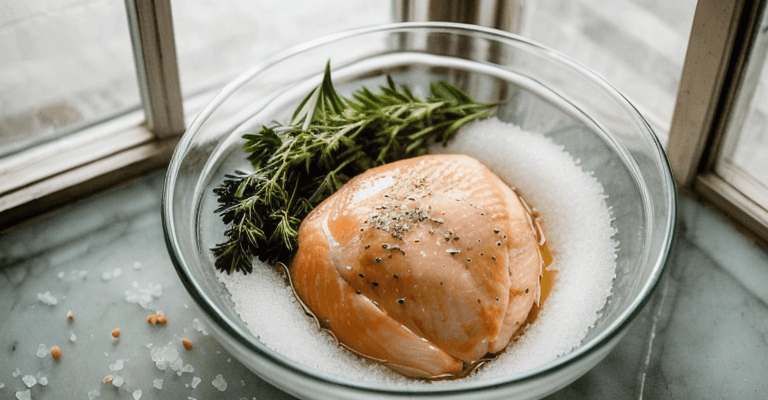
Brining Science — Wet Brine vs. Dry Brine, Ratios, and Timing
Osmosis, diffusion, and protein denaturation — the actual science behind brining. Complete salt ratios, timing tables by protein weight, and fixes for over-brined meat.
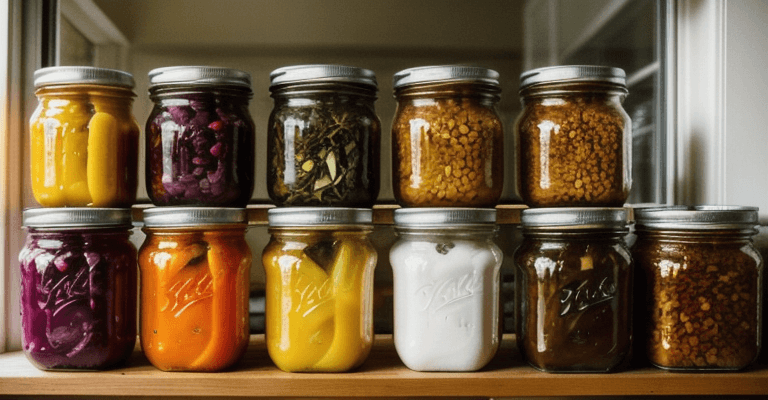
Canning and Preserving Safely — Pressure vs. Water Bath, the pH 4.6 Rule, and Every Processing Time You Need
The pH 4.6 rule that separates safe from deadly. Complete processing times for 30+ foods, altitude adjustment tables, pressure canner vs water bath decision matrix, equipment comparison, and the botulism science that makes this non-negotiable.

Dehydrating Food at Home — Temperatures, Times, and Storage
Complete dehydration reference with temperature and time tables for fruits, vegetables, meats, and herbs. Includes slice thickness guidelines, target moisture content, storage conditions, and rehydration ratios.
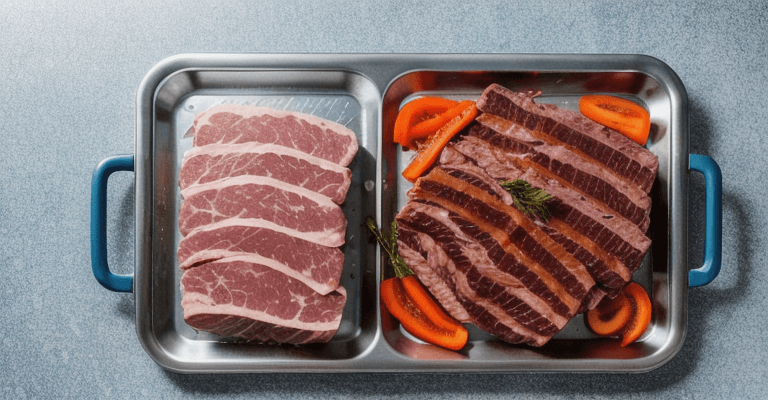
Freezing Food Science — Ice Crystal Formation, Texture Preservation, and Optimal Methods for Every Food Type
Ice crystal size determines whether frozen food tastes fresh or ruined. Complete freezer temperature comparisons, blanching times for 20+ vegetables, thawing rates per kilogram, and maximum storage times with quality scores.
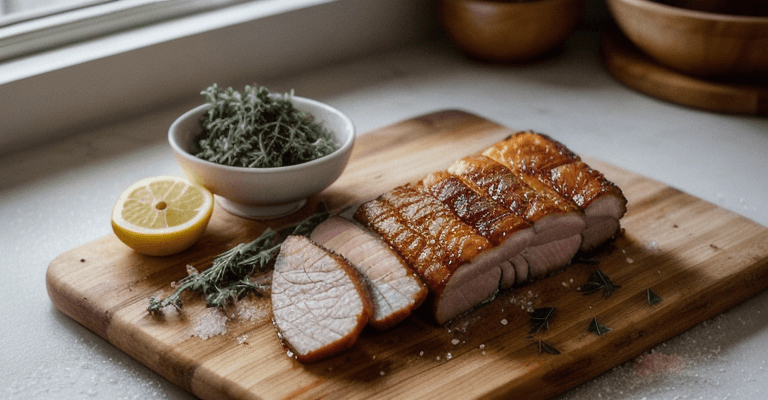
Salt Curing Science — Water Activity, Concentration Mechanics, and Safety Calculations for Every Cure Type
Water activity controls whether cured meat is safe or lethal. Complete salt concentration formulas, nitrite safety limits by jurisdiction, cure penetration rates, and water activity targets for 12 classic cured products.
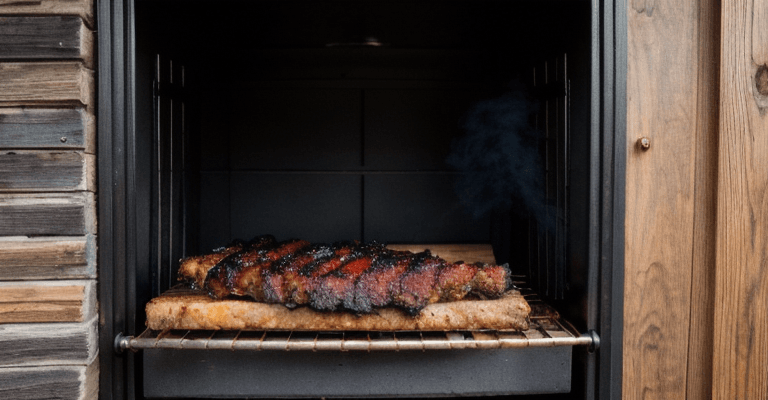
Smoking Food Science — Wood Chemistry, Temperature Zones, Cold vs Hot Smoke, and Creosote Prevention
Smoke is chemistry, not magic. Complete wood flavor profiles for 8 species, cold vs hot smoke temperature zones, smoke ring depth by method, time-temperature tables for 10 smoked foods, and the pellicle science that separates good smoke from bitter tar.
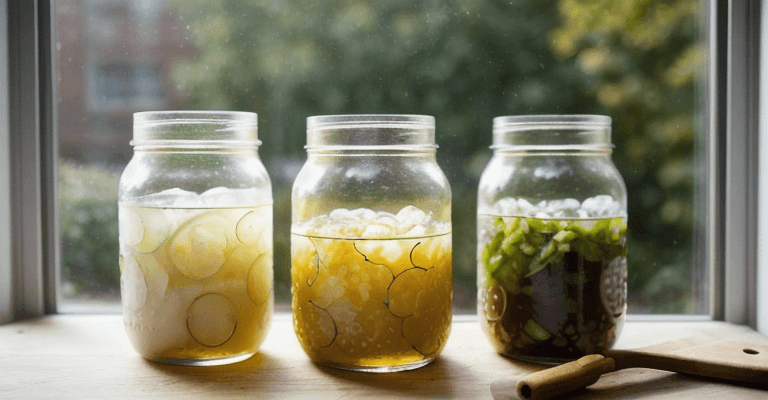
Fermentation Basics — LAB, Salt, pH, and Safety Thresholds
How lacto-fermentation actually works: the microbiology, salt ratios, pH safety targets, and a day-by-day timeline for your first ferment.

Food Storage Guide — Refrigerator Zones, Freezer Times, and Spoilage Signs
How long everything lasts, where to store it, and the visual and smell signs that mean it's done. Complete refrigerator and freezer reference tables.
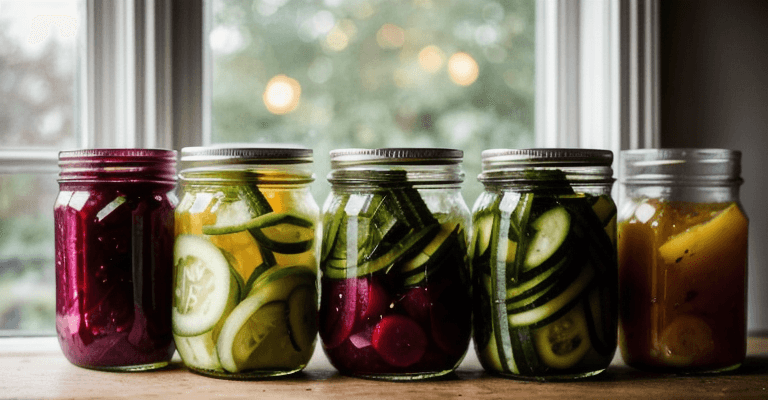
Pickling Brine Ratios — Vinegar Types, Salt Percentages, and Safety Chart
Quick pickle vs. fermented pickle — different processes, different ratios. Complete brine calculator with vinegar acidity requirements and shelf life expectations.