Ingredient Substitution Guide
What to use when you're missing an ingredient. Tested ratios, not guesses. Covers dairy, eggs, flour, sugar, fats, and leaveners.
How substitution works
Every ingredient in a recipe serves one or more functions: structure, moisture, fat, sweetness, leavening, flavor, binding. A valid substitution replaces the function, not just the ingredient. Swapping butter for oil works because both provide fat — but butter also provides water (15-20%) and milk solids (flavor, browning). Knowing what you’re actually replacing prevents bad swaps.
Dairy substitutions
| Missing | Substitute | Ratio | Notes |
|---|---|---|---|
| Buttermilk (1 cup) | Milk + 1 tbsp lemon juice or vinegar | 1:1 | Let sit 5 min to curdle. Works for pancakes, biscuits, marinades. |
| Heavy cream (1 cup) | Coconut cream (full-fat, chilled) | 1:1 | For whipping: must be very cold. For sauces: works directly. |
| Heavy cream (1 cup) | ¾ cup milk + ¼ cup melted butter | 1:1 | For baking/sauces only. Will not whip. |
| Sour cream | Greek yogurt (full-fat) | 1:1 | Nearly identical in baking. Slightly tangier in uncooked applications. |
| Milk (1 cup) | Water + 1 tbsp butter | 1:1 | For baking only. Provides fat content but not protein/sugar. |
| Cream cheese | Mascarpone | 1:1 | Mascarpone is softer. Add 1 tbsp lemon juice per cup for tang. |
Egg substitutions
Eggs serve three functions: binding (proteins coagulate and hold structure), leavening (trapped air expands), and moisture (eggs are 75% water). Match the function you need:
For binding (casseroles, meatballs, coatings):
- 1 egg = 1 tbsp ground flaxseed + 3 tbsp water (let sit 5 min — forms gel)
- 1 egg = ¼ cup unsweetened applesauce (adds slight sweetness)
- 1 egg = 3 tbsp aquafaba (chickpea brine — surprisingly effective)
For leavening (cakes, muffins, pancakes):
- 1 egg = 1 tsp baking powder + 1 tbsp vinegar + 1 tbsp liquid
- 1 egg = ¼ cup carbonated water (adds CO₂ directly)
- 1 egg = 3 tbsp aquafaba, whipped to soft peaks
For moisture (brownies, dense cakes):
- 1 egg = ¼ cup mashed banana (adds sweetness + flavor)
- 1 egg = ¼ cup pumpkin purée (neutral flavor, excellent moisture)
- 1 egg = ¼ cup silken tofu, blended smooth
Hard limit: Beyond 3 eggs in a recipe, substitution degrades noticeably. Egg-heavy recipes (custards, soufflés, angel food cake) cannot be successfully substituted.
Flour substitutions
| Missing | Substitute | Ratio | Adjustment |
|---|---|---|---|
| All-purpose flour | Bread flour | 1:1 | Slightly chewier result. Fine for most recipes. |
| All-purpose flour | Cake flour | 1 cup AP = 1 cup + 2 tbsp cake | Lighter, more tender result. |
| Cake flour | AP flour - 2 tbsp per cup + 2 tbsp cornstarch | 1:1 | Sift 3× to aerate. |
| Self-rising flour | AP flour + 1½ tsp baking powder + ¼ tsp salt per cup | 1:1 | Remove any baking powder/salt from recipe. |
| Bread flour | AP flour + 1 tsp vital wheat gluten per cup | 1:1 | Optional: increases protein to ~13%. |
| Cornstarch (for thickening) | 2× the amount of AP flour | 2:1 | Flour needs longer cooking to remove raw taste. |
Sugar substitutions
Sugar isn’t just sweetness — it retains moisture, tenderizes gluten, feeds yeast, browns via Maillard/caramelization, and stabilizes egg foams.
| Missing | Substitute | Ratio | Changes |
|---|---|---|---|
| White sugar | Brown sugar | 1:1 | Adds moisture + molasses flavor. Chewier cookies. |
| Brown sugar | White sugar + 1 tbsp molasses per cup | 1:1 | Exact equivalent. |
| White sugar | Honey | ¾ cup honey per 1 cup sugar | Reduce other liquid by ¼ cup. Lower oven 15°C (browns faster). |
| White sugar | Maple syrup | ¾ cup per 1 cup sugar | Reduce other liquid by 3 tbsp. Distinct flavor. |
| Powdered sugar | Blend granulated sugar 30 sec + 1 tsp cornstarch per cup | 1:1 | Texture slightly grainier but functional. |
Fat substitutions
| Missing | Substitute | Ratio | Notes |
|---|---|---|---|
| Butter (for baking) | Coconut oil (solid) | 1:1 | Very similar fat content. Slight coconut flavor. |
| Butter (for baking) | Vegetable oil | Use ¾ the amount | Oil is 100% fat vs butter at ~80%. Cookies spread more. |
| Oil (for frying) | Butter | Not recommended | Butter burns at 150°C. Clarified butter (ghee) works to 250°C. |
| Shortening | Butter | 1:1 | Adds flavor + water. Pie crust will be slightly less flaky. |
| Lard | Butter or coconut oil | 1:1 | Different flavor profile. Butter for pastry, coconut for savory. |
Leavener substitutions
| Missing | Substitute | Ratio | Critical note |
|---|---|---|---|
| Baking powder (1 tsp) | ¼ tsp baking soda + ½ tsp cream of tartar | 1:1 | Mix fresh each time. |
| Baking soda (1 tsp) | 3 tsp baking powder | 3:1 | Omit other acids in recipe. Adds salt. |
| Active dry yeast | Instant yeast | Use 25% less | Skip proofing step. Add directly to dry ingredients. |
| Instant yeast | Active dry yeast | Use 25% more | Must proof in warm water first. |
| Yeast (any) | Baking powder | Not possible | Completely different mechanism. Won’t produce bread texture. |
The substitution that never works
Baking soda for baking powder without adding acid. Baking soda requires an acid to produce CO₂. Without it, you get a metallic, soapy taste and zero rise. If a recipe calls for baking powder and you only have baking soda, you must also add cream of tartar, lemon juice, or vinegar.
Related across the network
Articles in this guide
Flour Protein Content — Why It Matters and Which Flour for Which Job
Protein percentages for every common flour type, how protein creates gluten structure, hydration differences, and exact substitution ratios for swapping between flours.

Salt Types and Their Uses — Table, Kosher, Sea, Flake, and Finishing
Why a teaspoon of table salt is not the same as a teaspoon of kosher salt. Volume conversion table, mineral content differences, when to use each type, and salting timing for proteins.
Spice Heat Science — Scoville Scale, Capsaicin Mechanics, and Substitution Ratios
Complete Scoville Heat Unit reference for 25+ peppers, capsaicin concentration data, dried-to-fresh conversion ratios, and heat substitution tables for every major chili type.
Thickening Agents Compared — Flour, Cornstarch, Arrowroot, and Beyond
Thickening power, temperature limits, clarity, and substitution ratios for every common thickener. Data tables for when each agent works and when it fails.
Vinegar Types, Acidity, and Cooking Substitutions — The Complete Reference
Acidity levels, pH values, flavor profiles, and exact substitution ratios for every major vinegar type — from white distilled to Chinkiang black vinegar.
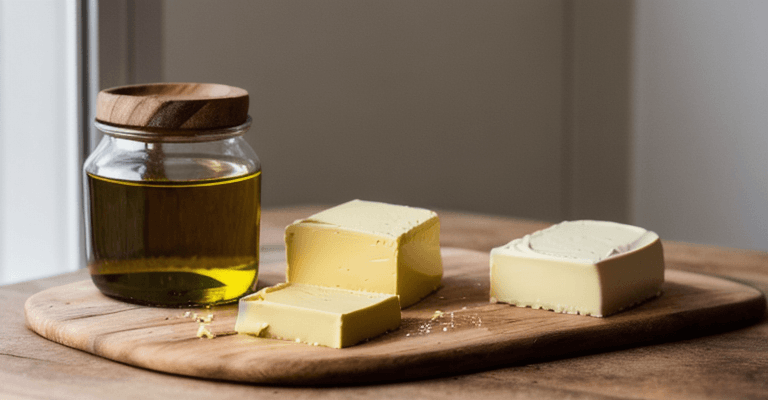
Butter vs Oil in Baking — When to Swap, When Not To, and the Chemistry That Decides
Butter is 80% fat + 15% water + 5% milk solids. Oil is 100% fat. That composition difference changes texture, flavor, browning, and shelf life. Complete swap ratios, fat comparison table, and the science of when each wins.
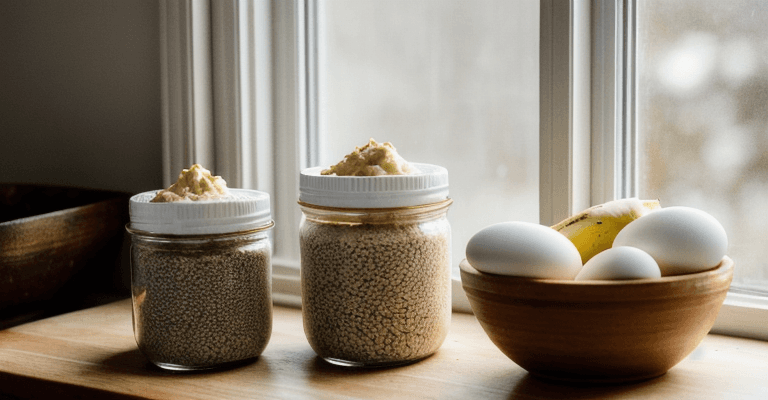
Egg Substitution by Function — Binding, Leavening, Moisture, and Emulsification
Stop googling 'egg substitute.' Start asking what the egg does in YOUR recipe. Four different jobs need four different swaps. Complete substitute comparison with success rates per recipe type.
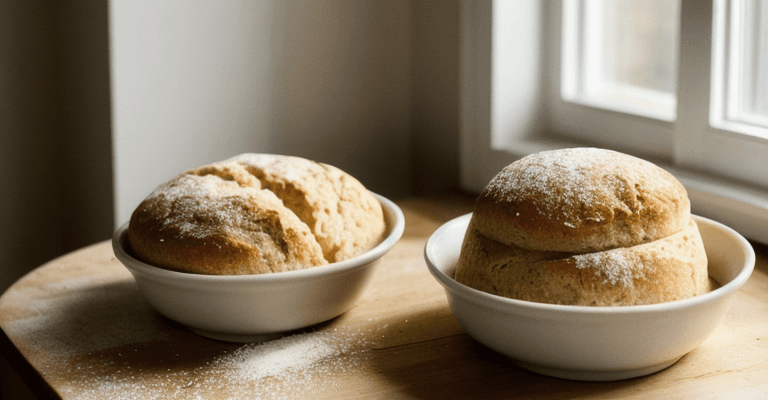
Gluten-Free Flour Guide — Blends, Ratios, and Conversion Table
No single gluten-free flour replaces wheat. You need blends. Here's the science, the ratios, and a conversion table for every GF flour type.
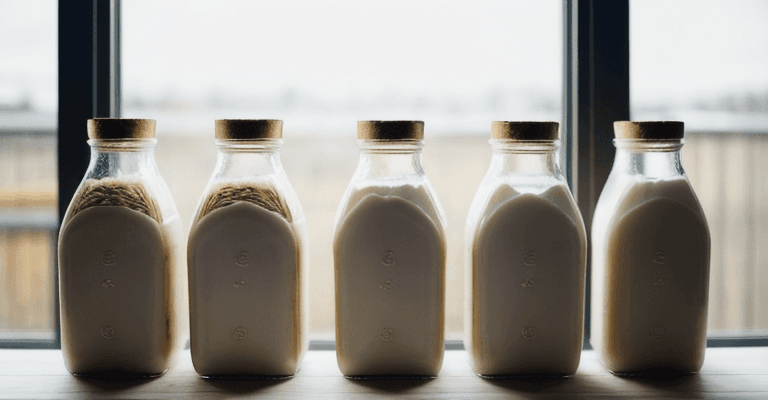
Milk Alternatives in Baking — Complete Comparison Table
Oat, soy, almond, coconut — how each plant milk behaves in baking. Fat and protein content, 1:1 swap rules, and when each one fails.
Sugar Substitutes in Baking — Conversion Table and Adjustment Guide
Honey, maple, stevia, erythritol, monk fruit — exact conversion ratios, liquid adjustments, and what each one does to texture, browning, and shelf life.
Vegan Baking Substitution — Complete Cheat Sheet
Every animal product replaced: eggs, butter, milk, cream, honey, gelatin. Function-based swaps with ratios that actually work.